Imbali Yethu
A living card game of Langa’s history, made with and for its young people.
2026 · Experience design · Game design · Participatory design
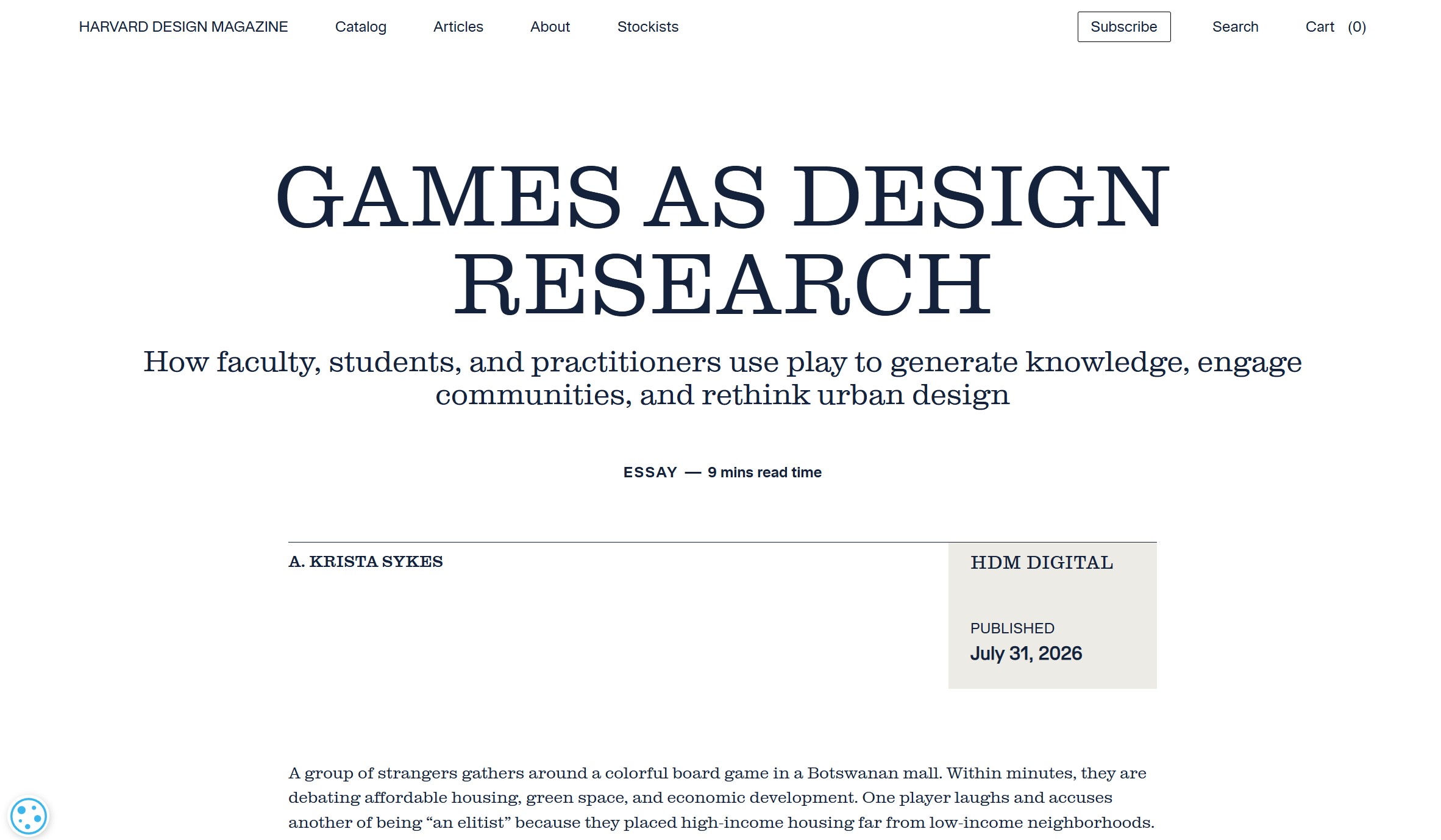
Featured in Harvard Design Magazine- schools within reach
- 9
- schools within reach
- people in Langa
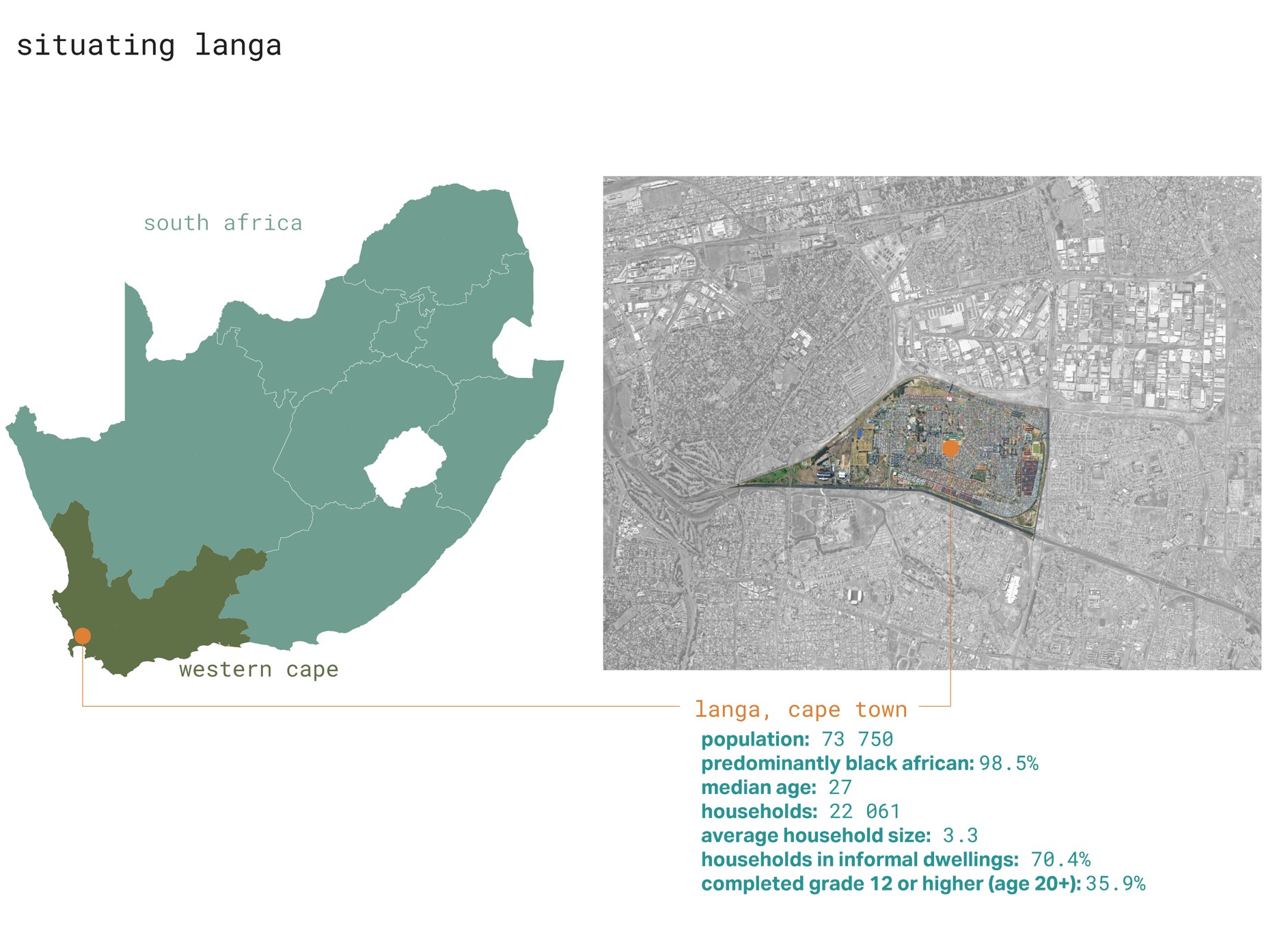
- 60,000+
- people in Langa
- of residents under 35
- 71%
- of residents under 35
- per game, 5 players
- 30–45 min
- per game, 5 players
the story
I turned Langa’s history into a card game where young people connect people, places and events, and write their own stories into it.
problem
Langa’s history lives in elders and a small museum, not in what young people learn.
my role
Originator · Founder · Lead designer
what I did
Research, game design, illustration direction, play-testing, the game room, the rules booklet and the research essay.
result
A finished card game, featured in Harvard Design Magazine and ready for Langa’s schools.
details
- duration
- 18 months
- collaborators
- Thamsanqa Sijila (Langa Dompas Museum) · Kenneth Lukoko (Institute for Justice and Reconciliation) · Experimental Infrastructures Open Project, Harvard GSD
- the game
- 5 players or teams of 2 · ages 13+ · 30–45 minutes
01The brief
Help Langa’s history reach its young people
Through the Harvard GSD’s Experimental Infrastructures Open Project, I set out to work with the keepers of Langa’s Dompas Museum.
The question: how could the township’s history live beyond the museum walls, in the hands of the young people who will carry it?
Understanding the museum
02Listen
Start where the history already lives
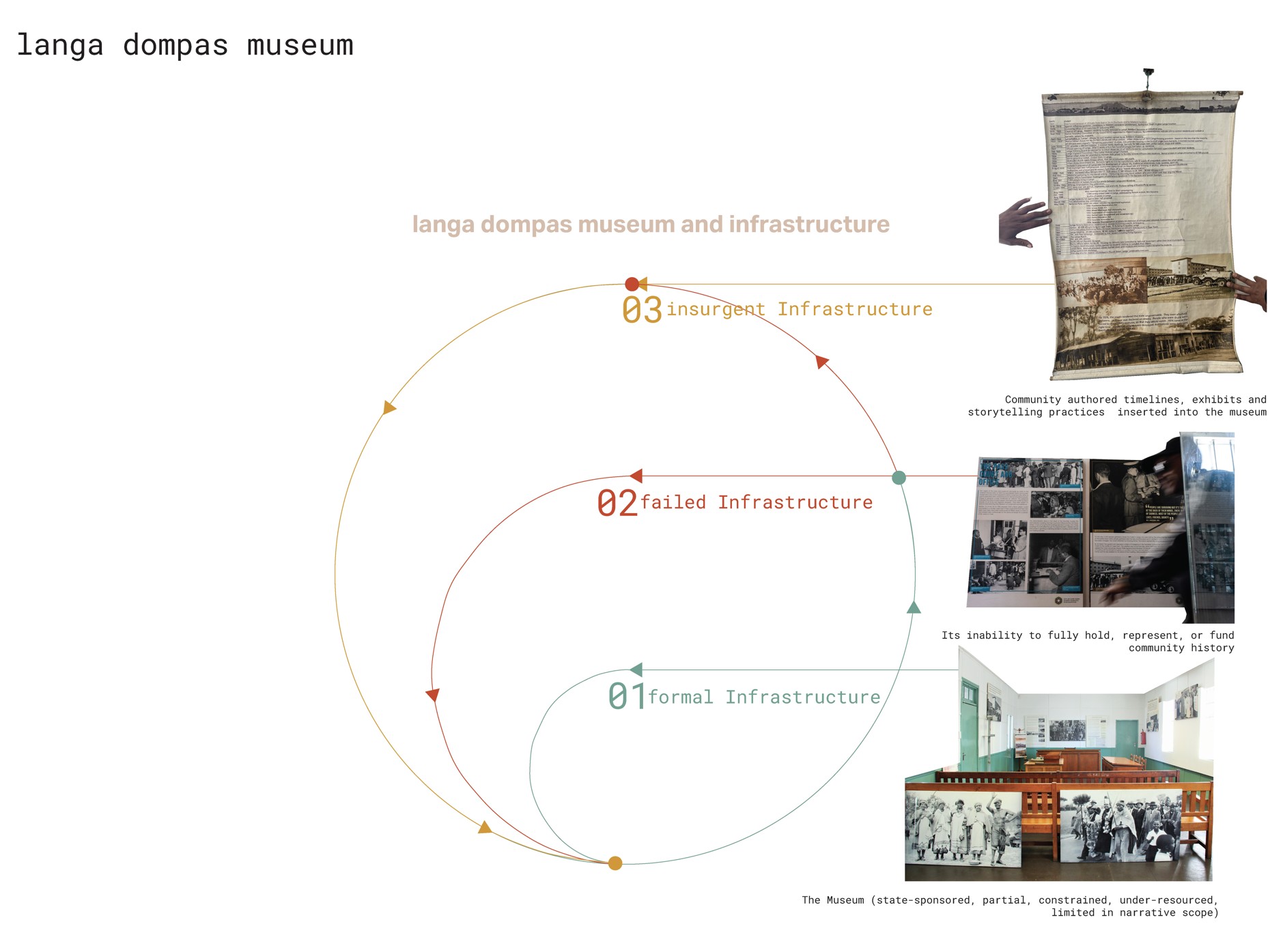
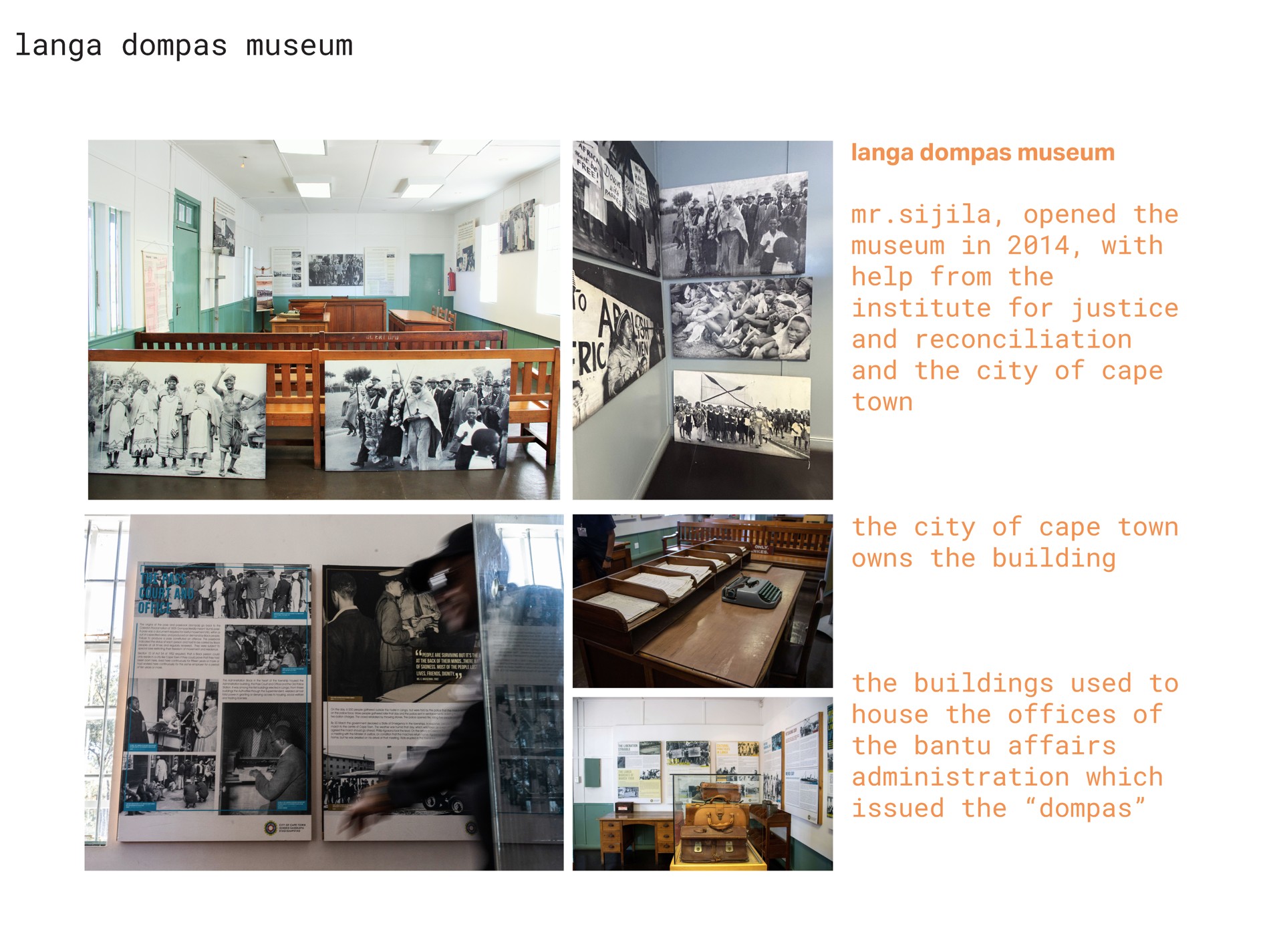
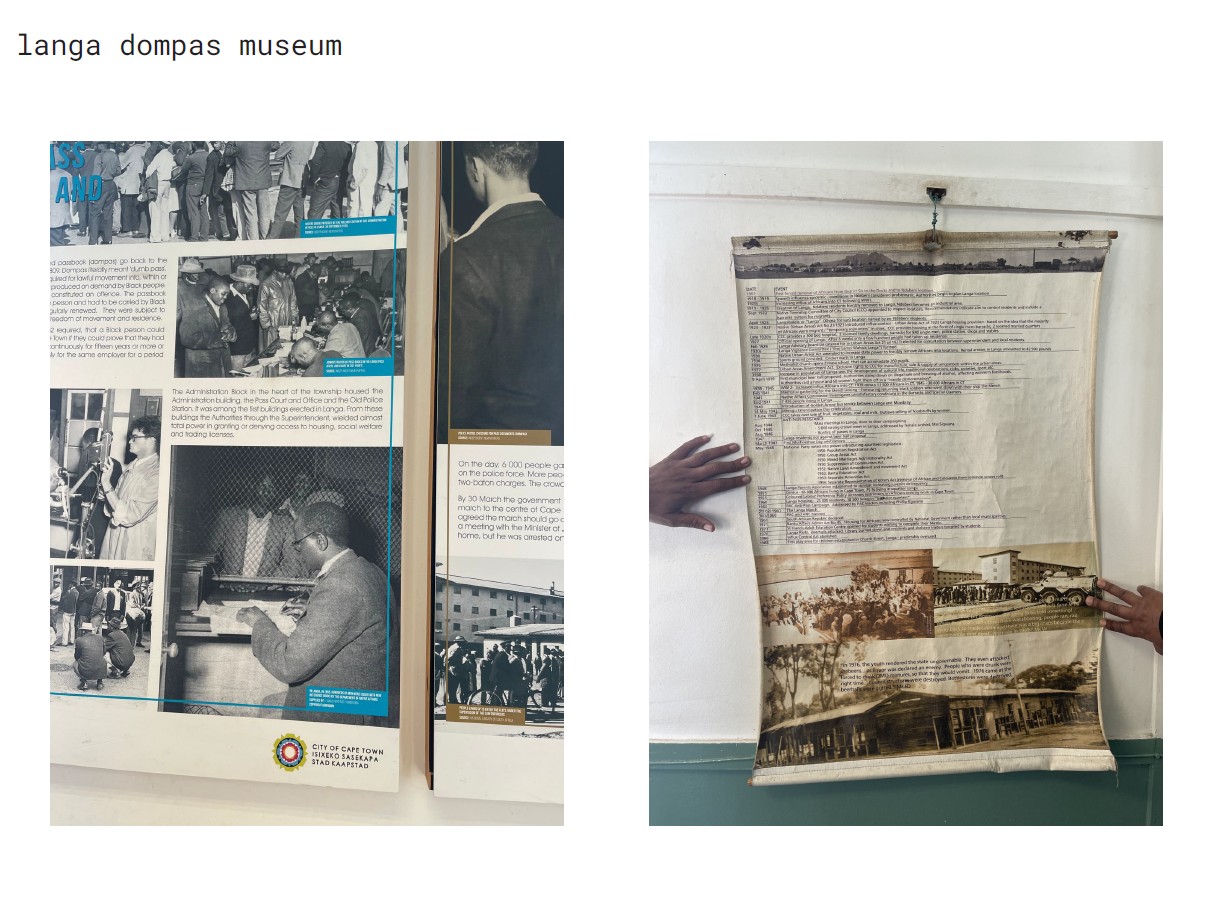
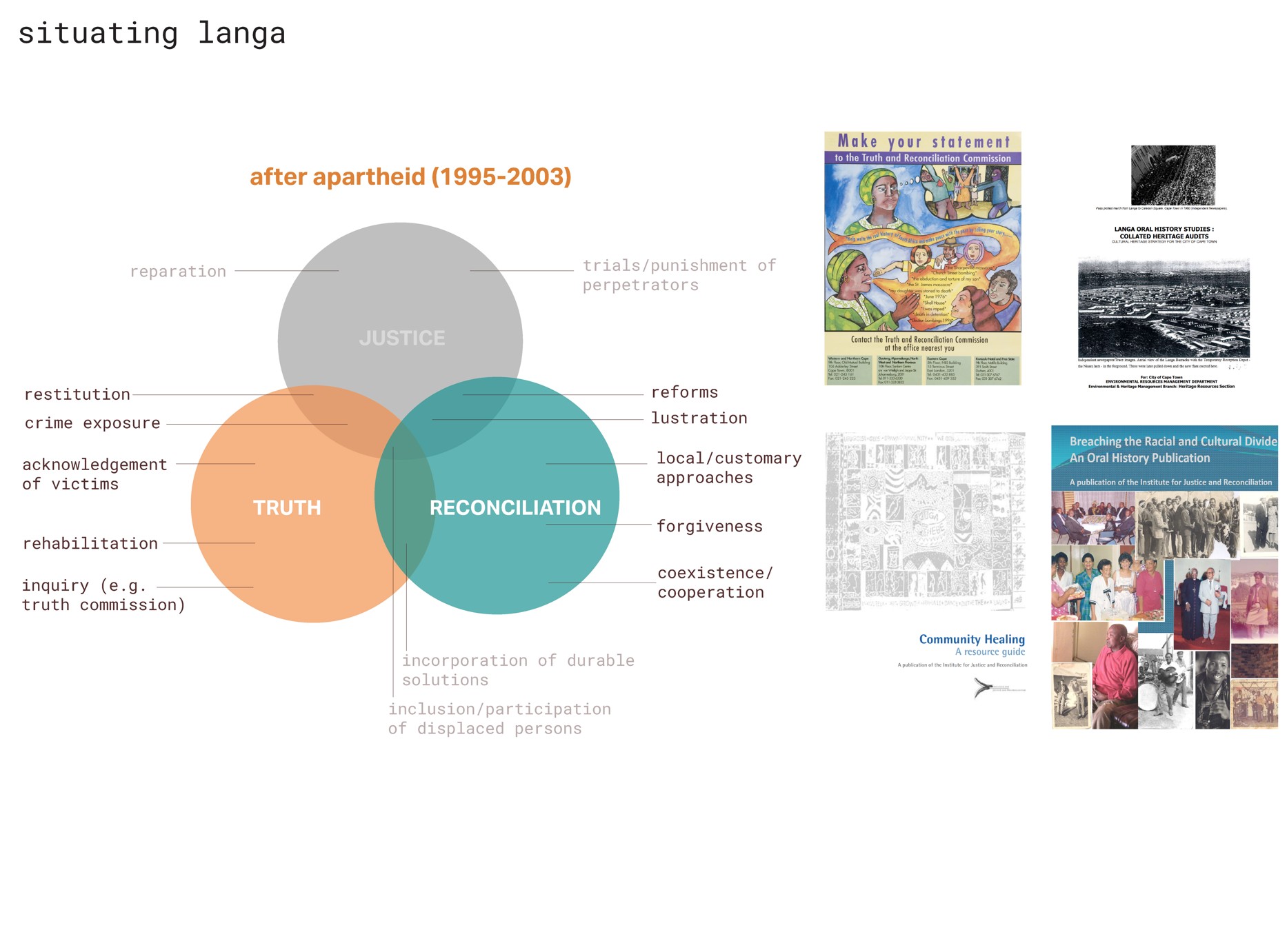
I spent time in the museum, the only one in South Africa dedicated to the apartheid pass system, and spoke with its curator, Thamsanqa Sijila, and with Kenneth Lukoko.
Hanging inside was a community-written timeline, informal and unsanctioned, filling in what the official displays left out.

03The challenge
Too much history for one timeline
Langa’s history is vast, contested and still being written. A fixed timeline would repeat the museum’s own limits.
And it had to work for a 13-year-old around a table, not just in an archive.
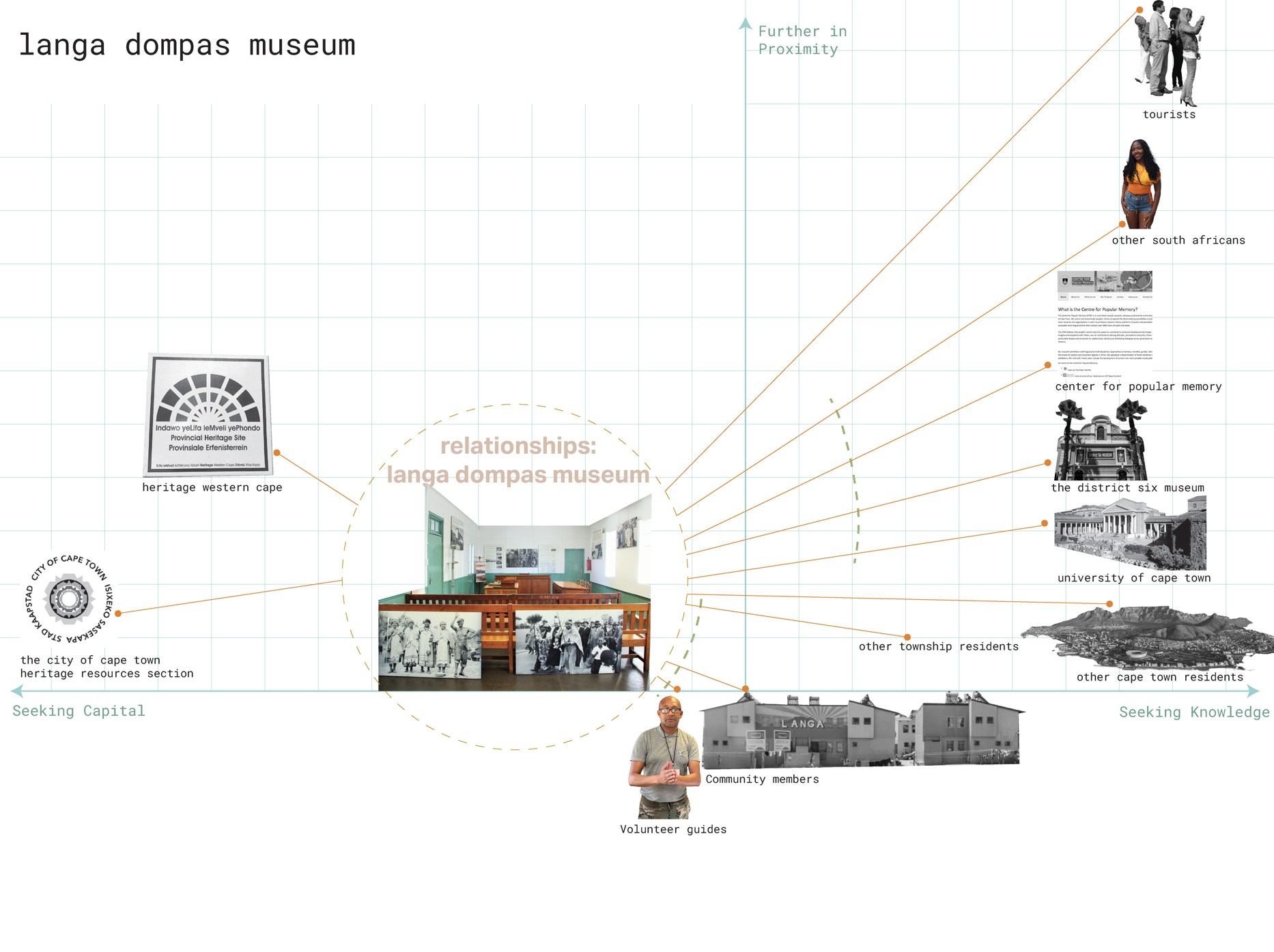
Getting to the archive was its own challenge. I wasn’t in Cape Town for much of the project, and institutions often limited materials to familiar local organisers.
So I relied on relationships: organisers shared the WhatsApp numbers of people who held the history, and I used the Harvard name to open doors to records.
04The shift
What needed to change
The game had to turn young people from an audience into authors.
| from | to |
|---|---|
| A fixed timeline handed down | A network players build together |
| Youth as audience | Youth as authors |
| Facts to memorise | Connections to discover |
impact
- Young peopleBecome authors of their own history71% of Langa is under 35
- SchoolsA hands-on way to teach local history9 schools within reach
what I learned
- Experiences create meaning; objects carry it.
- Co-authorship has to be built into the product.
tools
- Oral history
- Archival research
- Game design
- Prototyping
- Facilitation
- Illustration direction
credits
- Thamsanqa Sijila
- Kenneth Lukoko
- Lauren Jasper, illustration
- Adi Meira, Mahika Sethi and Zach Deocalie, game design input
- Diane Davis
05Pushback
For Langa, not for tourists
My advisor pushed me to design the game for tourists as well as residents.
I stood by the community I knew, and backed the choice with research: when museums and memory become a source of income, who still has access? Many residents can’t afford a guided tour of their own history.
06Make & iterate
From sketches to a deck of cards
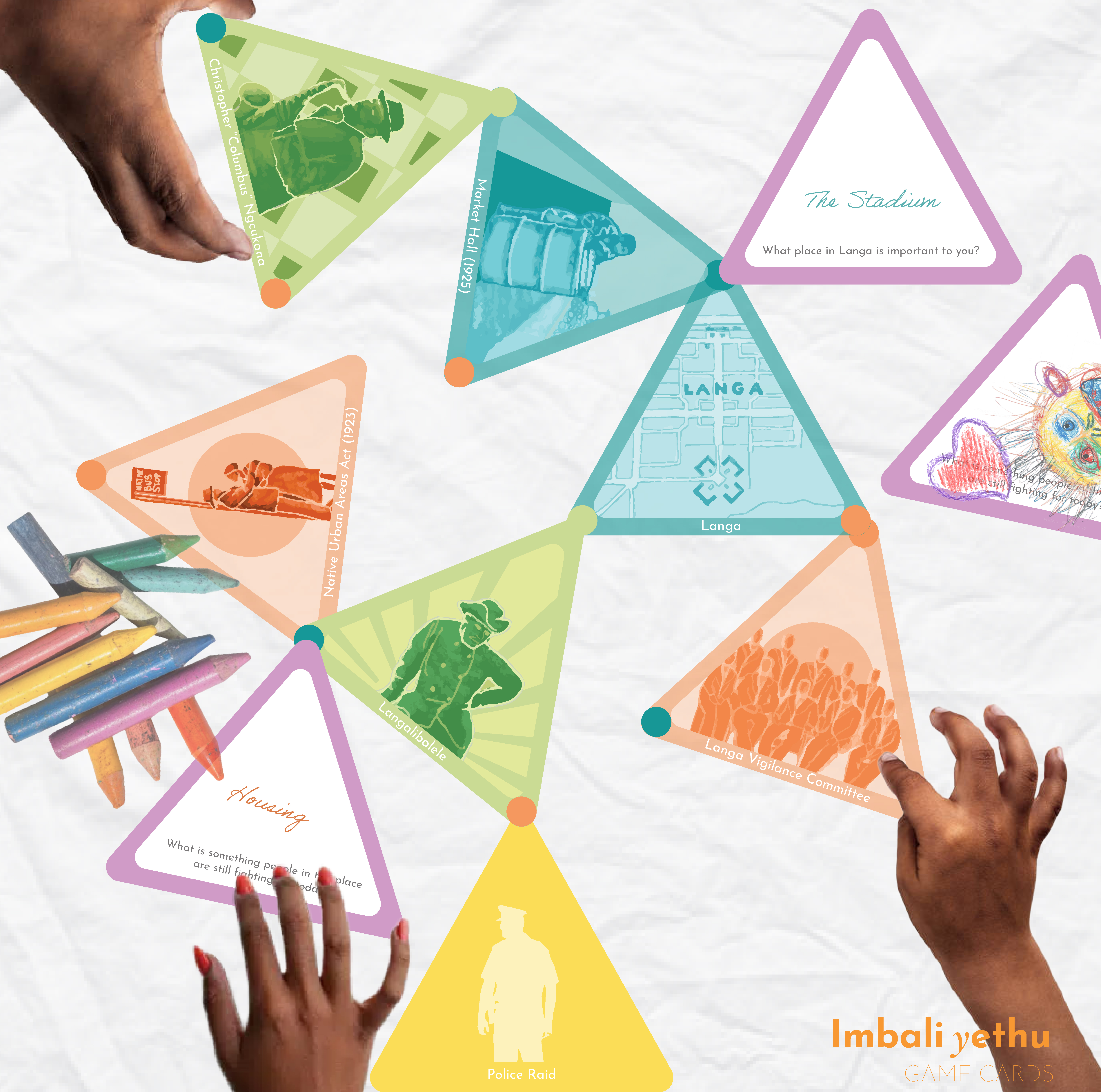
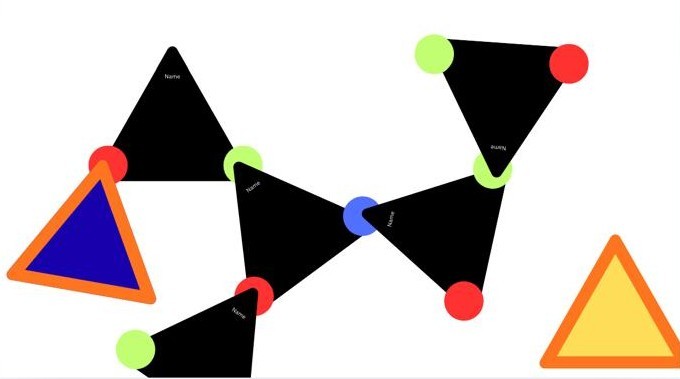
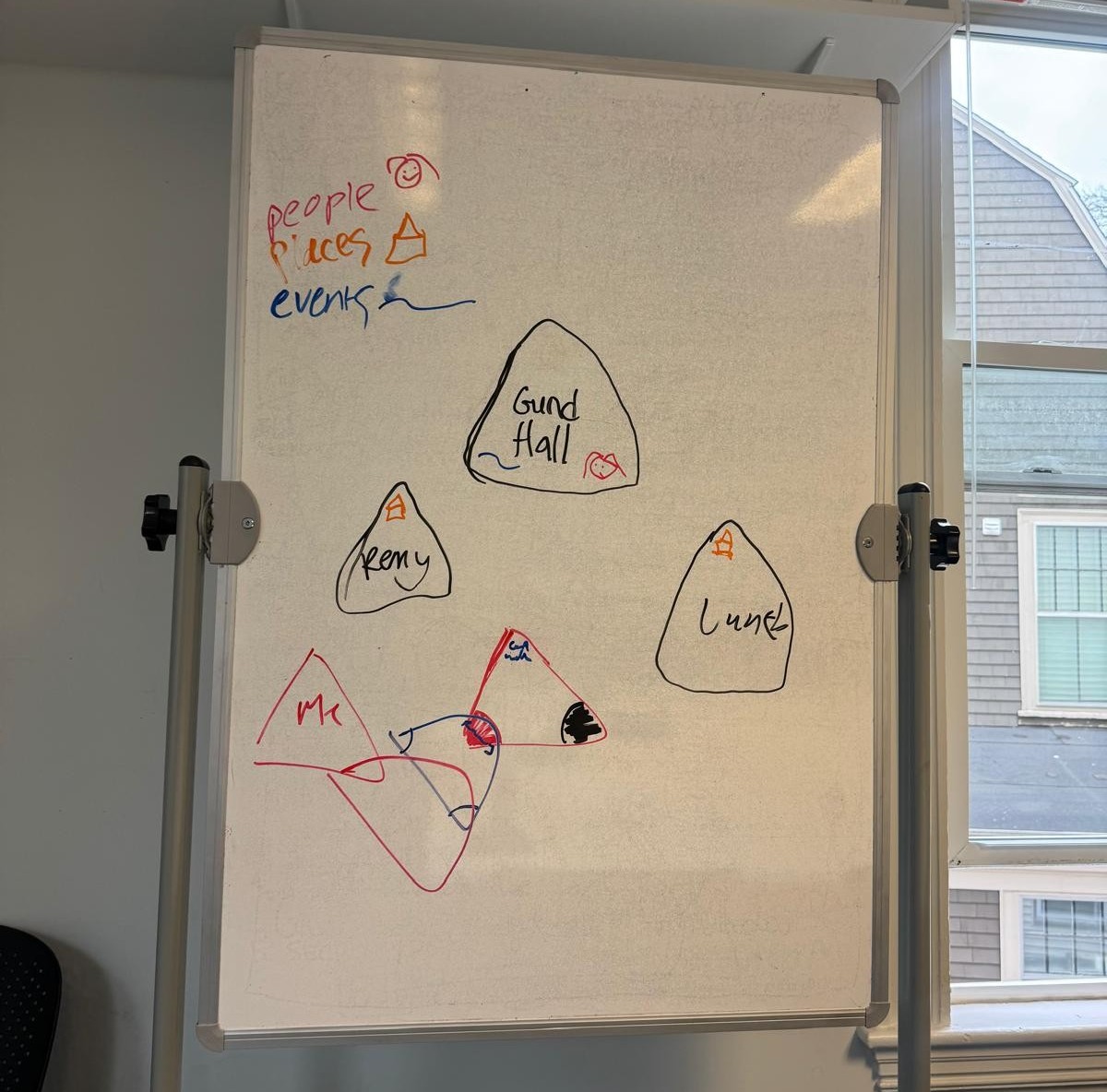
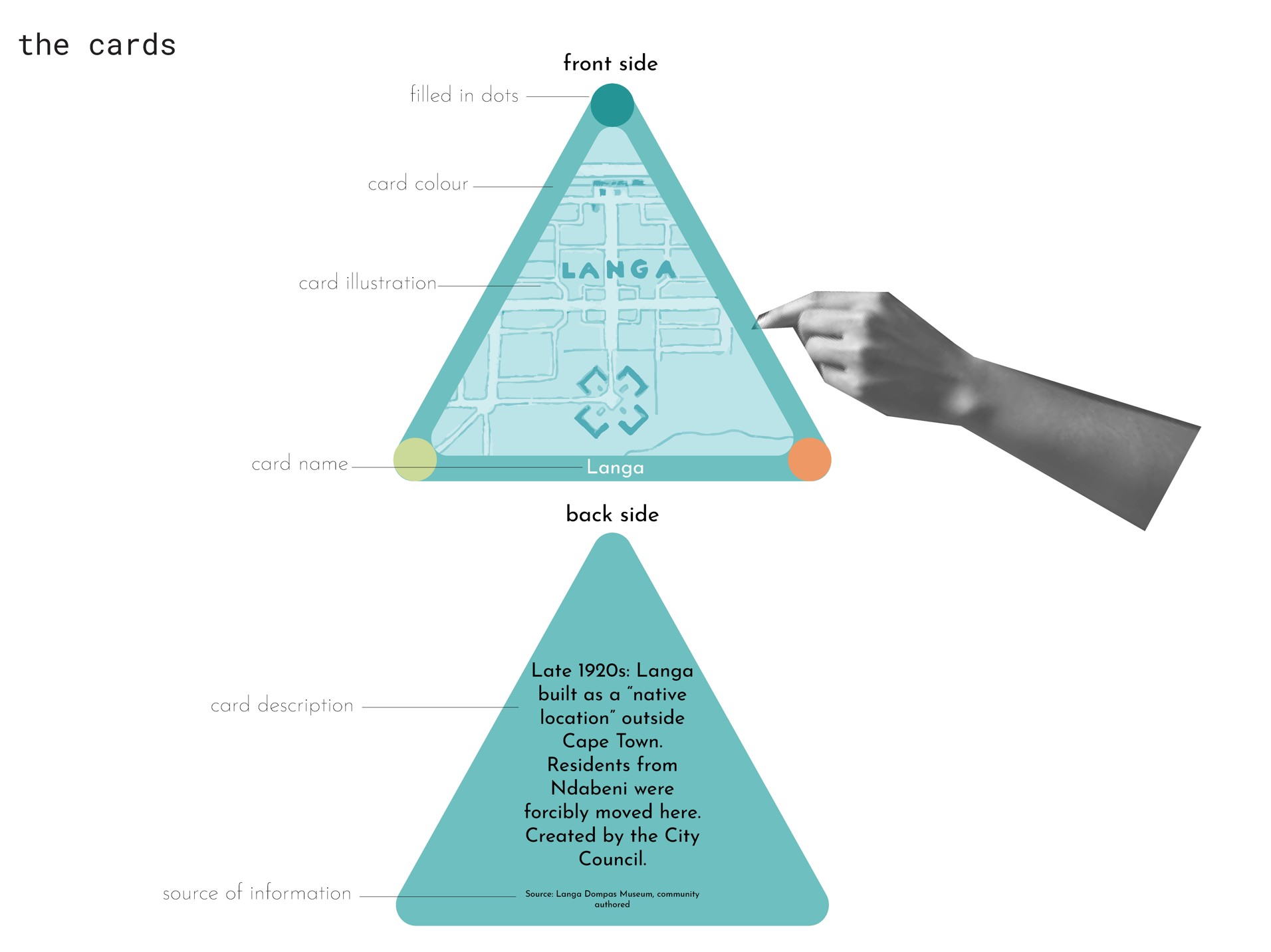
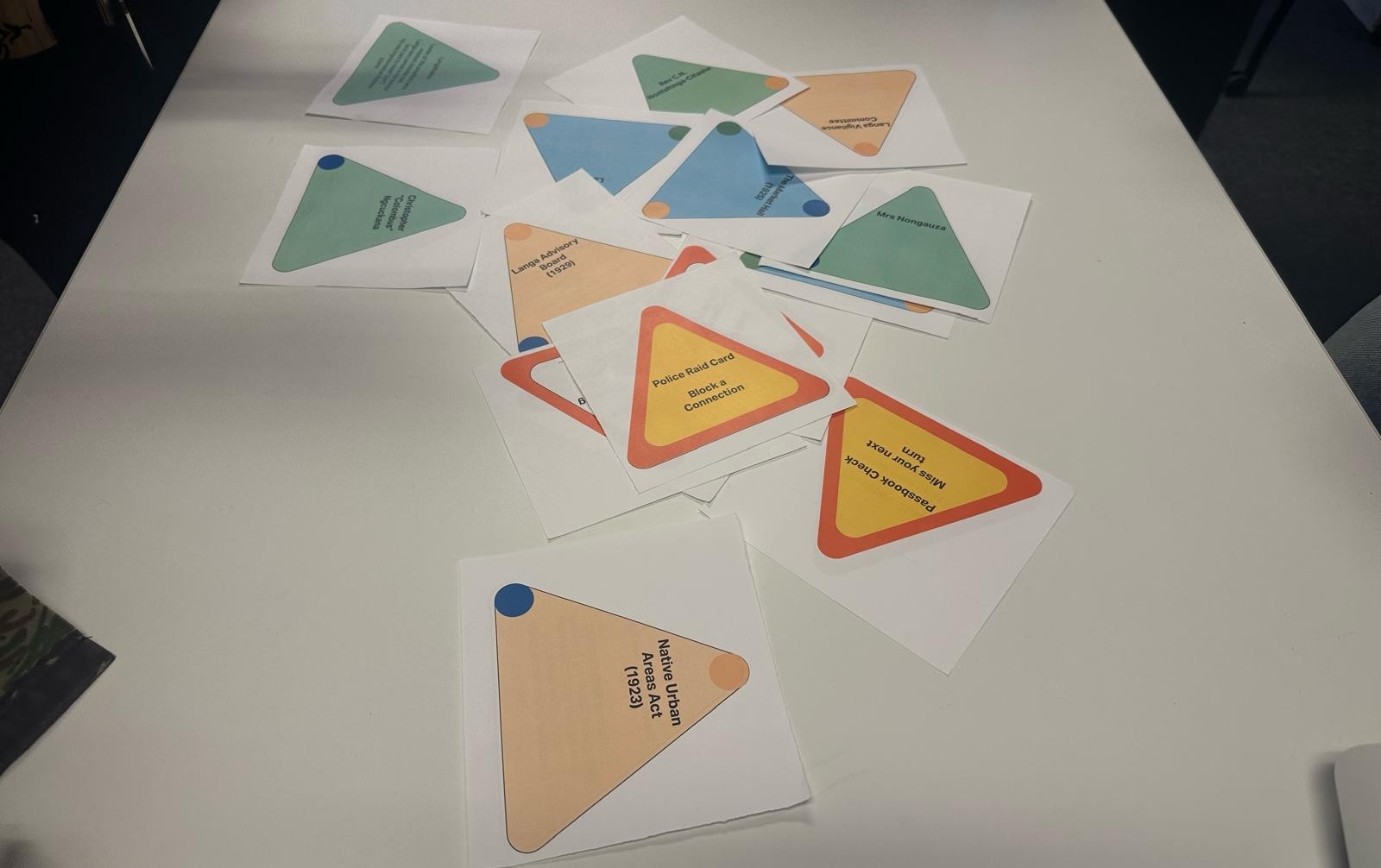
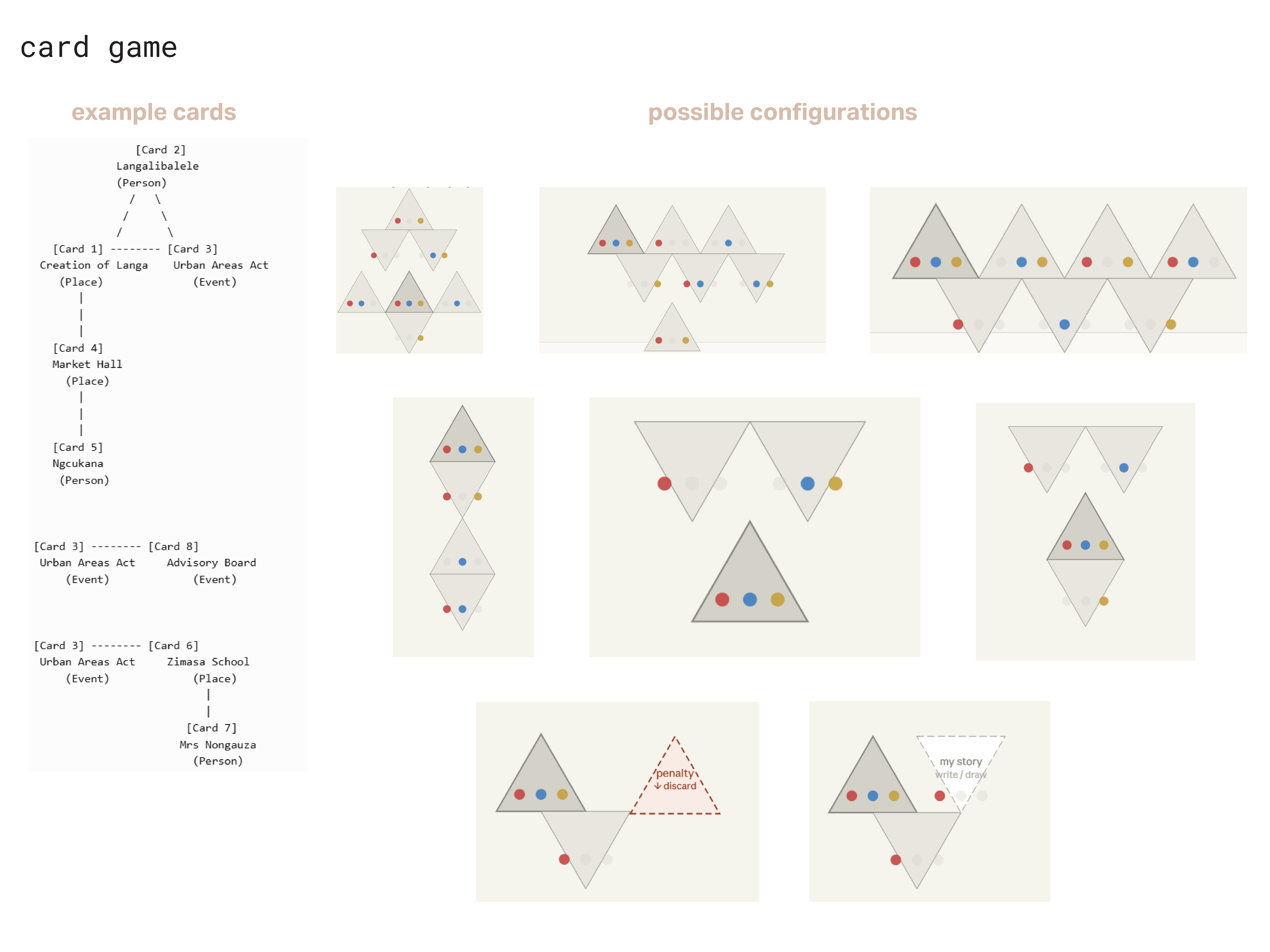
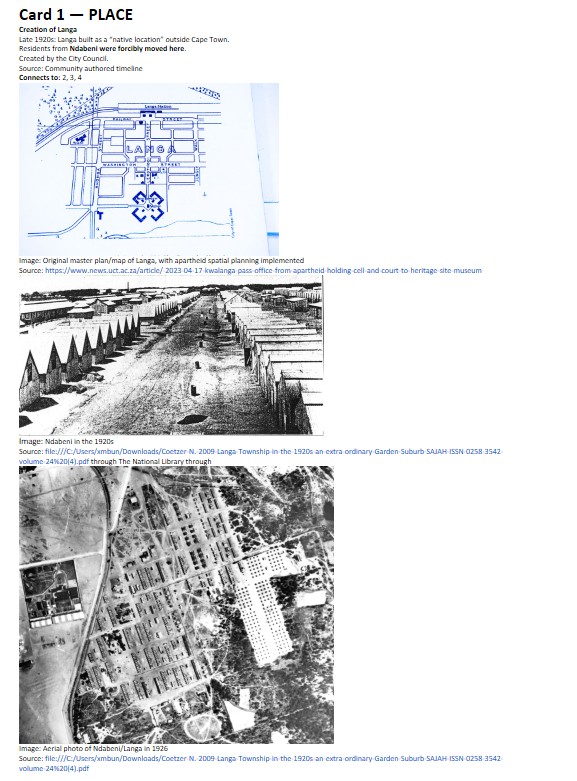
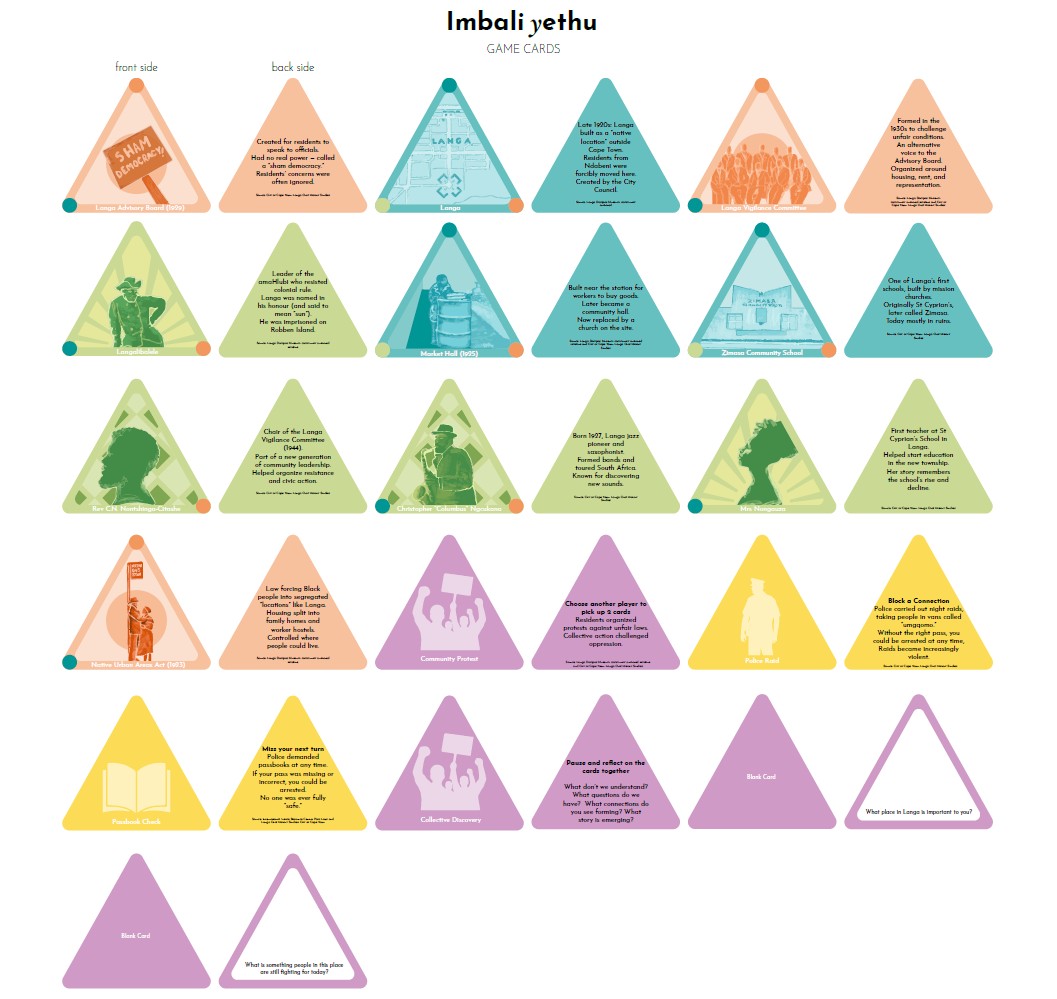
I turned archival research, oral histories and the community timeline into Person, Place and Event cards.
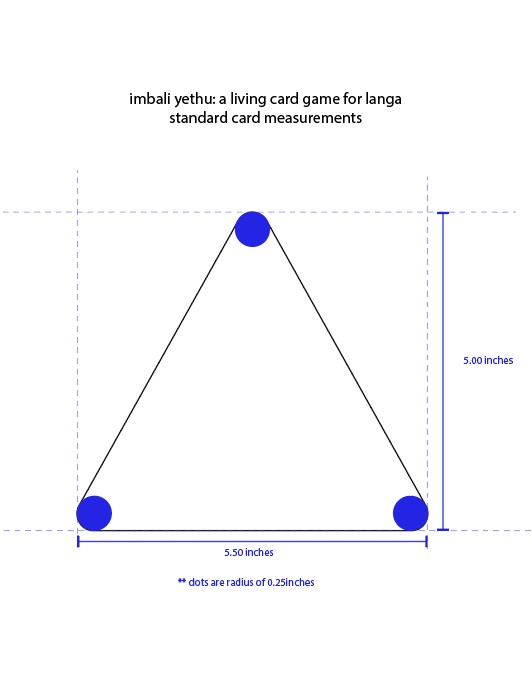
Card structure, prompts, rules and illustration went through several rounds before the final deck.
My first prototype had 60 cards in a strict timeline. In the first playtest, people got lost after 10 minutes, so I cut it to a network of connections.
- Research
- Listen
- Translate
- Prototype
- Play
- Revise
07Test
The table mattered as much as the cards
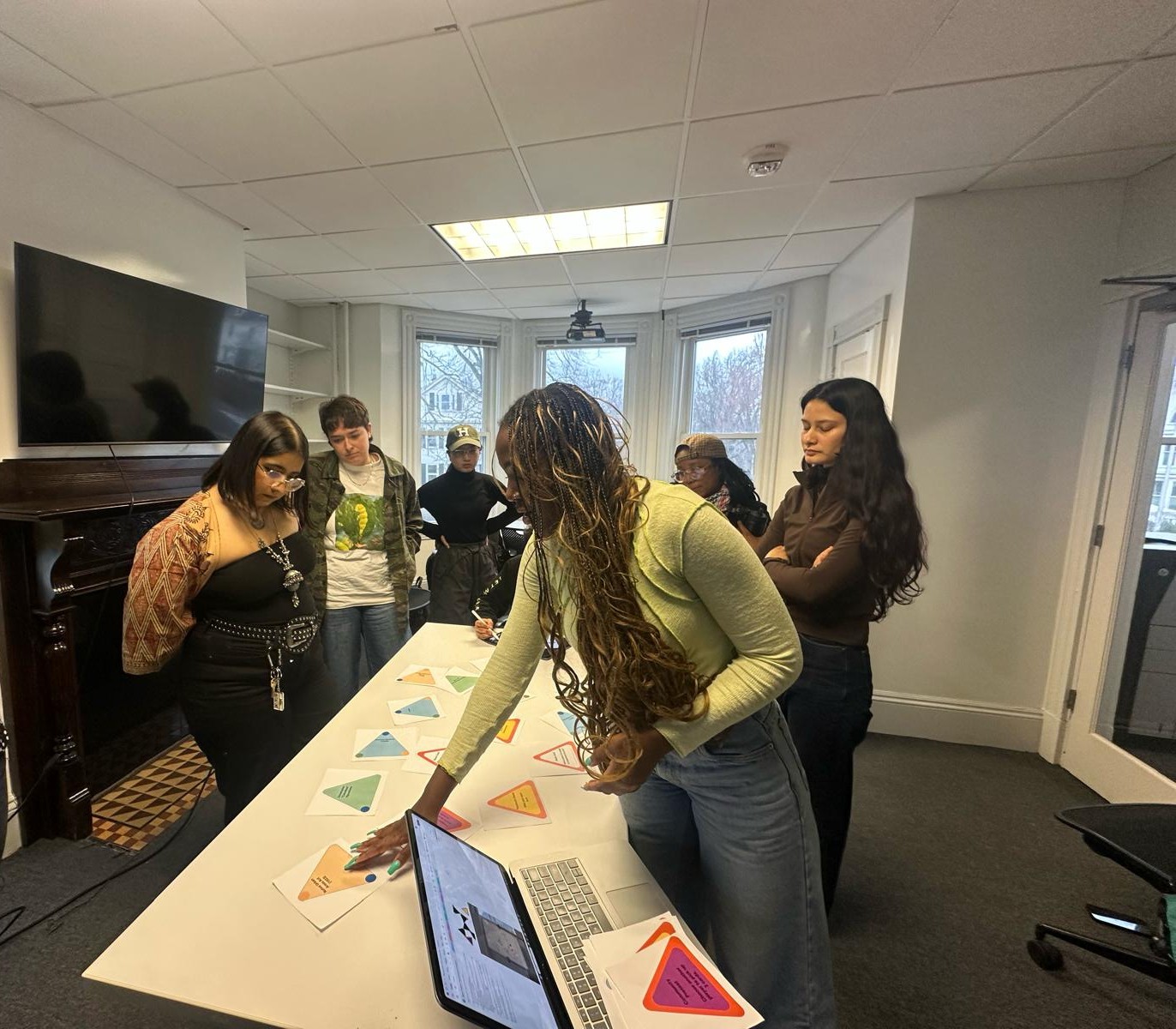
Testing was hard: the game is so specific to Langa that outsiders struggled with the context. With players outside the community, I simplified the history and tested the mechanics on their own.
With Langa players, the conversations around the table turned out to be the real outcome.
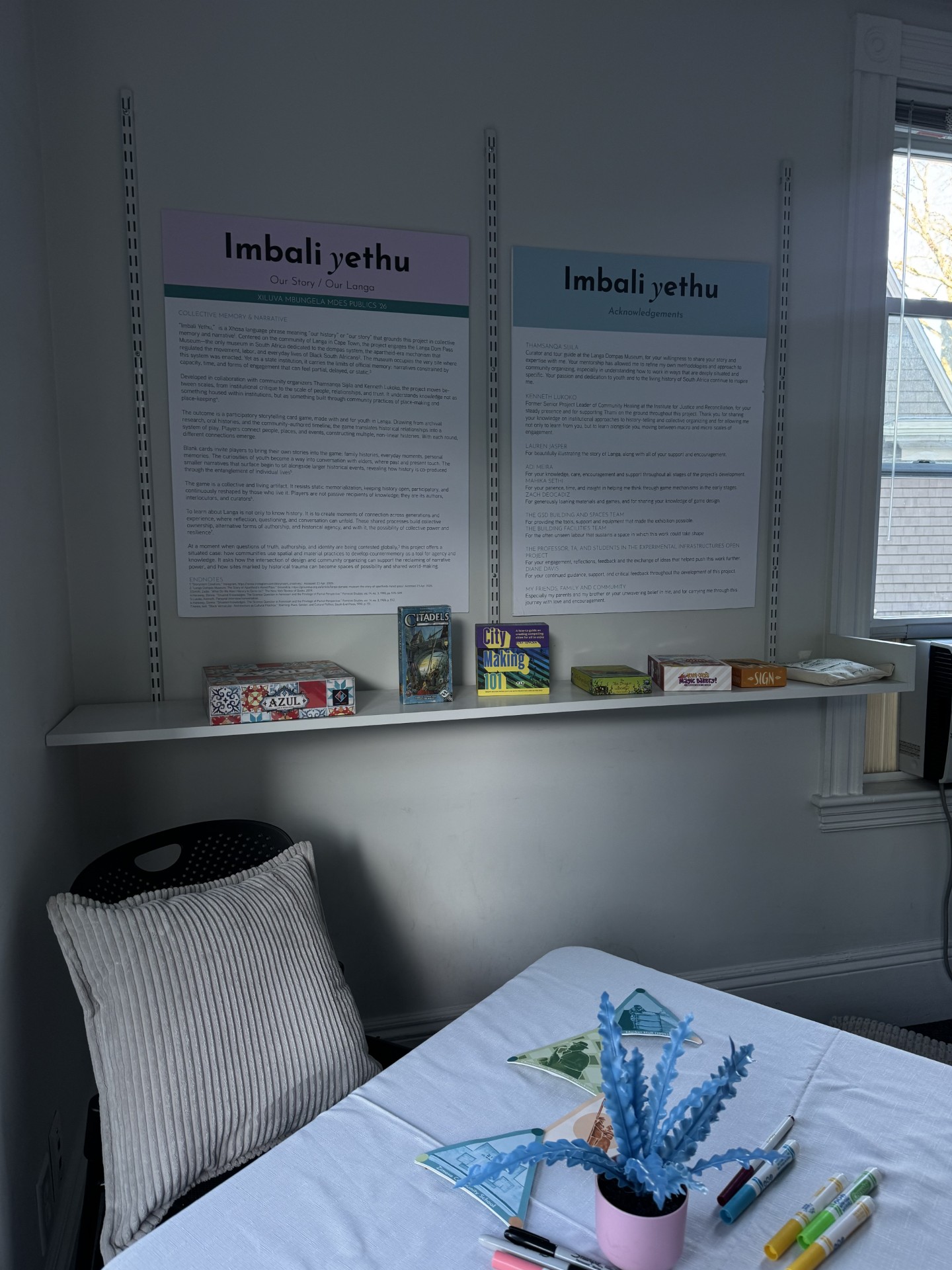
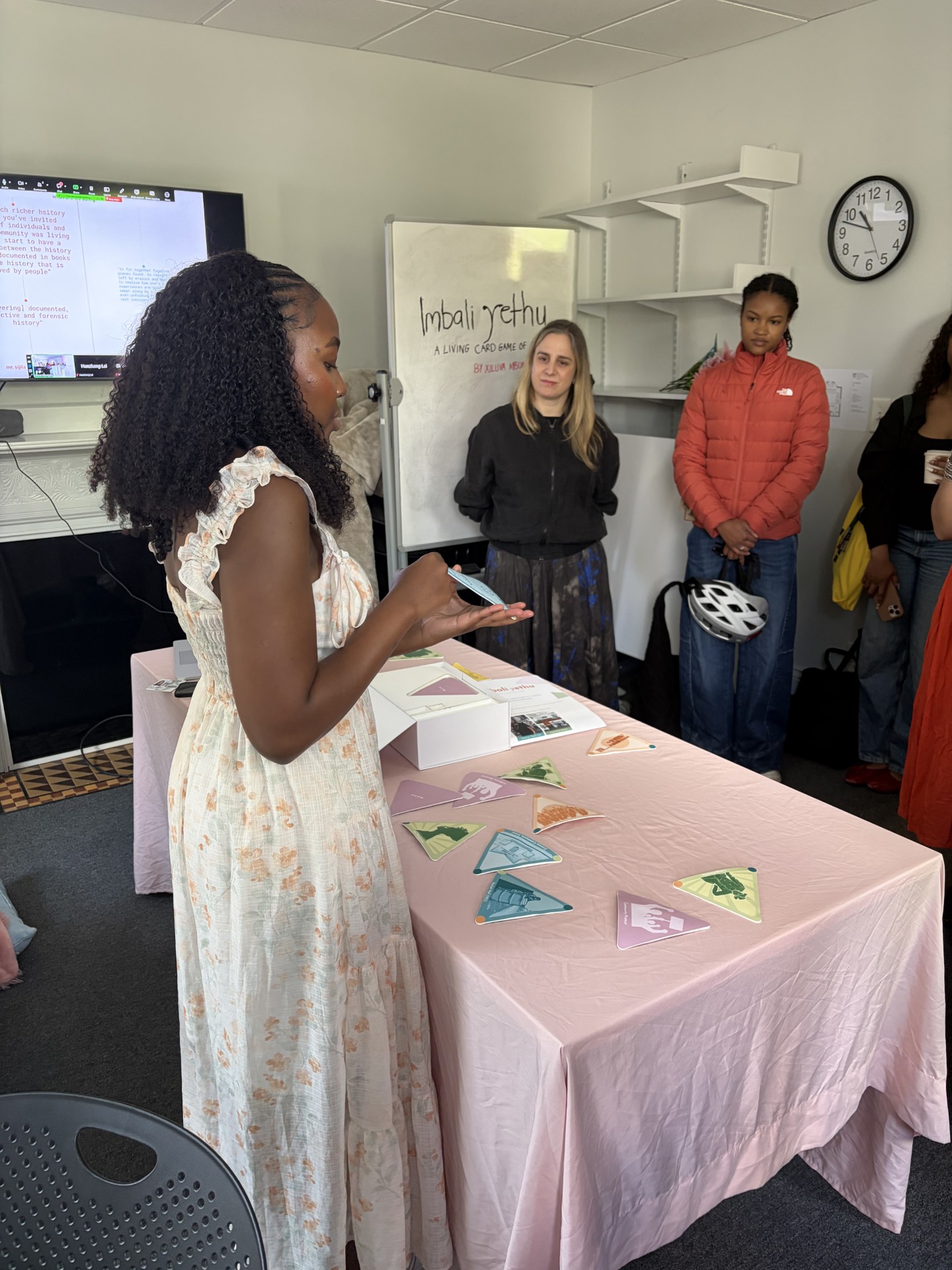
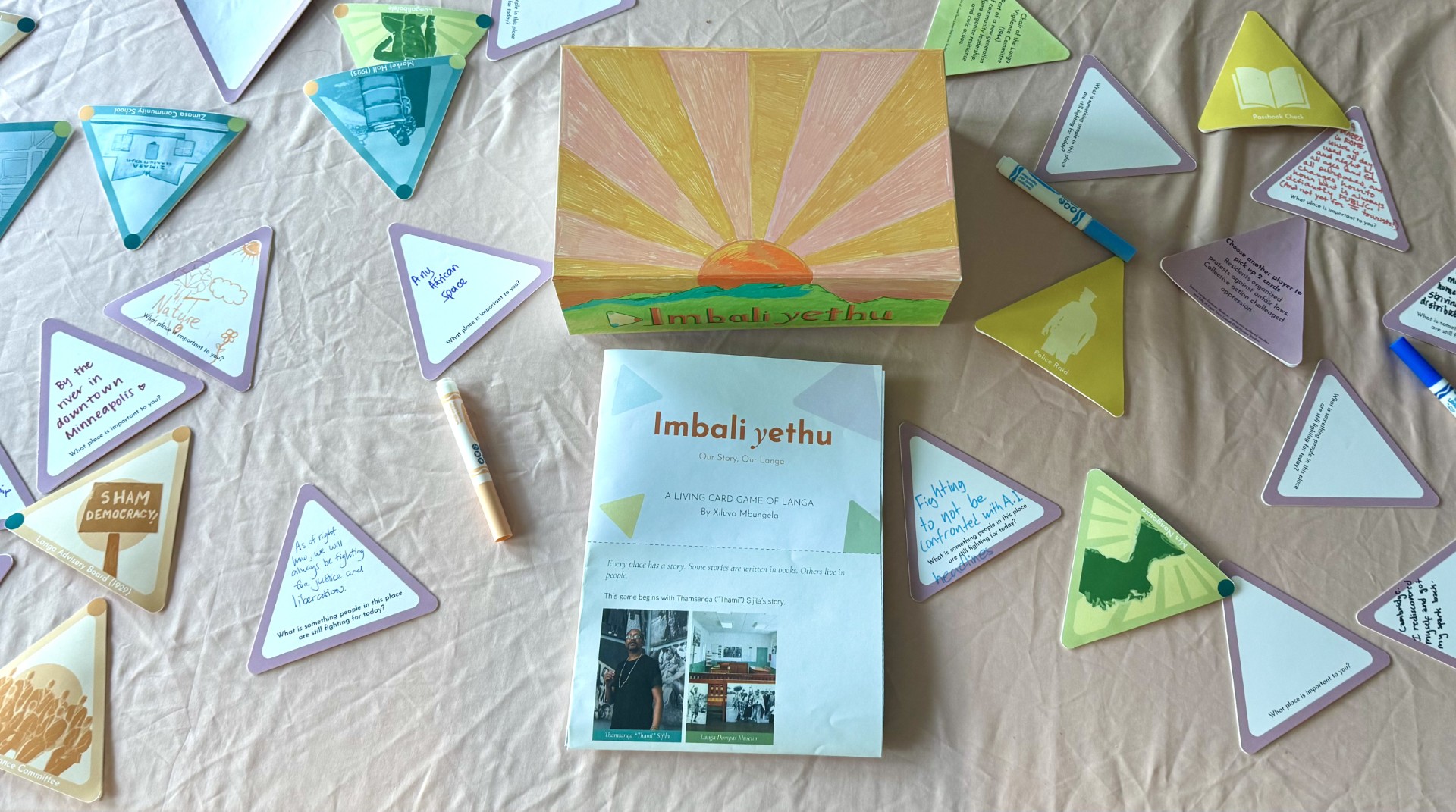
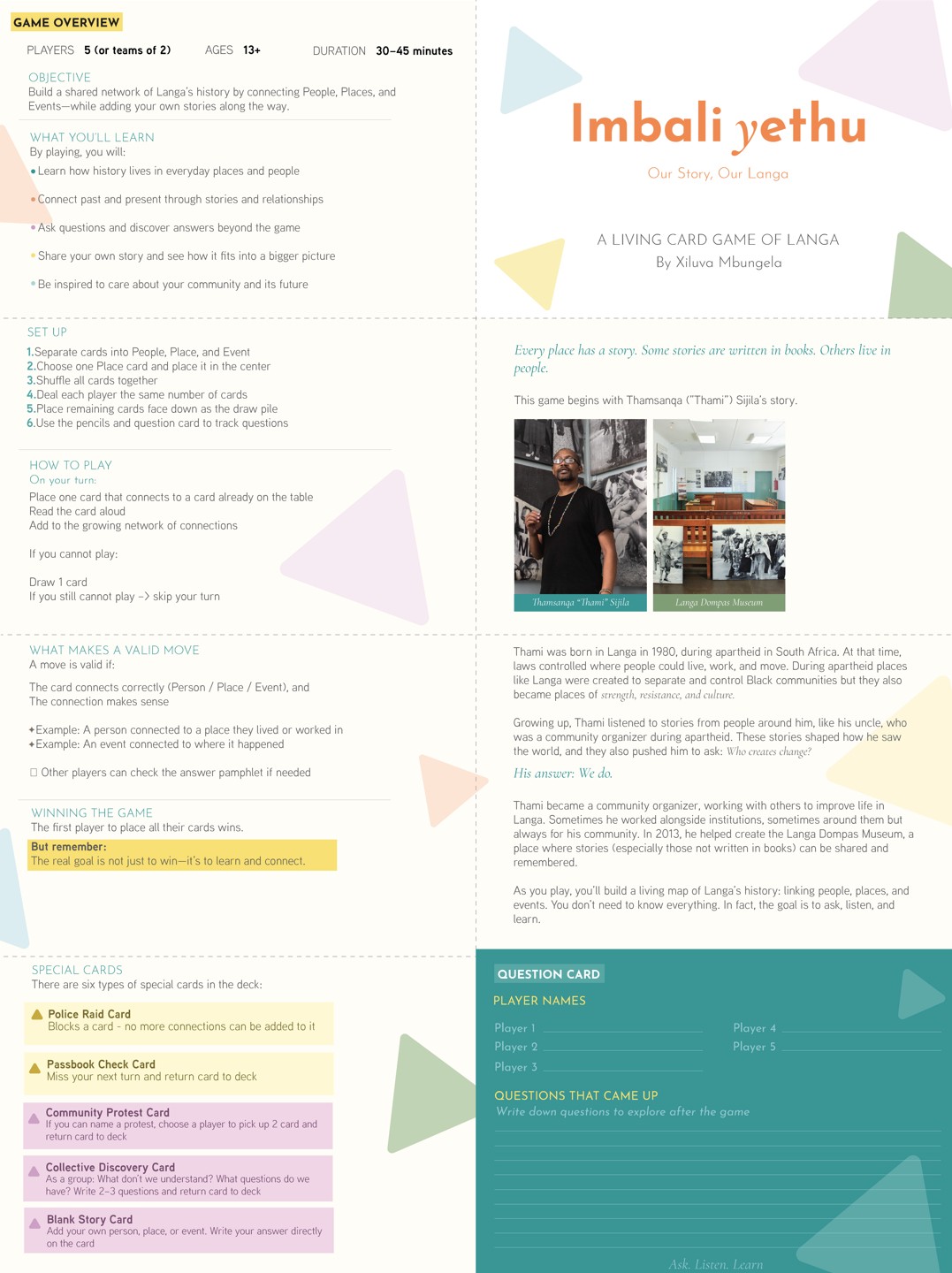
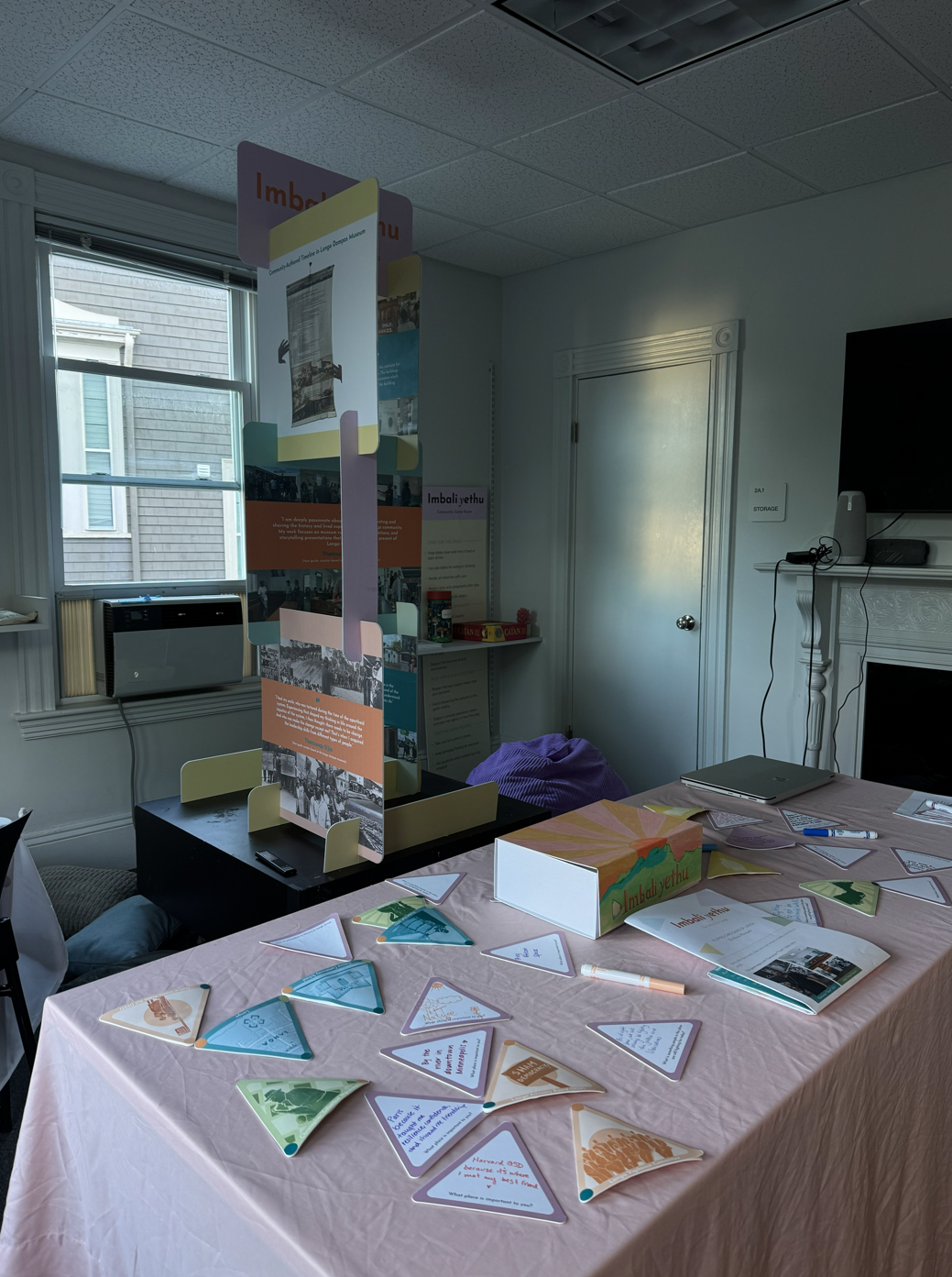
So I designed the room too: banners stating the game’s aims, house rules, and space to talk. Special cards like Police Raid and Passbook Check brought history’s pressures into play.
08Outcome
Ready for Langa’s classrooms
A boxed game, rules booklet and question card, featured in Harvard Design Magazine.
Next: Langa’s 9 schools, take-home sets, and new stories on the blank cards.